Advanced Endoscopic Submucosal Dissection (ESD) Expertise
 HOME
HOME
What is Endoscopic Submucosal Dissection (ESD)?
ESD (Endoscopic Submucosal Dissection) is a treatment to remove early cancers such as stomach, large intestine and esophagus by endoscopy without cutting the abdomen.
Unlike conventional surgery, there are advantages such as no injury to the abdomen, preservation of organs, and quick recovery.
The procedure for the actual treatment of ESD involves the following “four steps.”
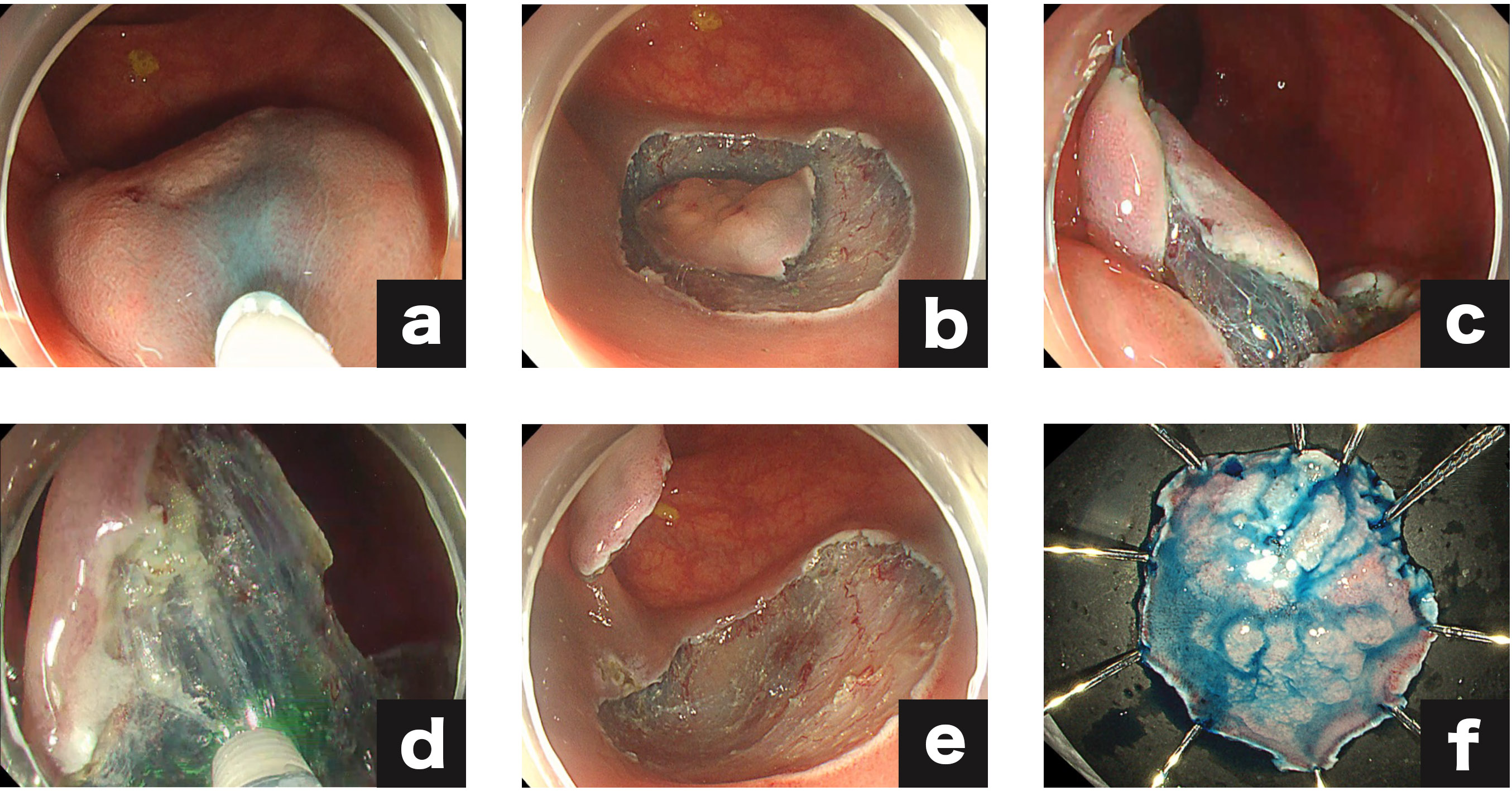
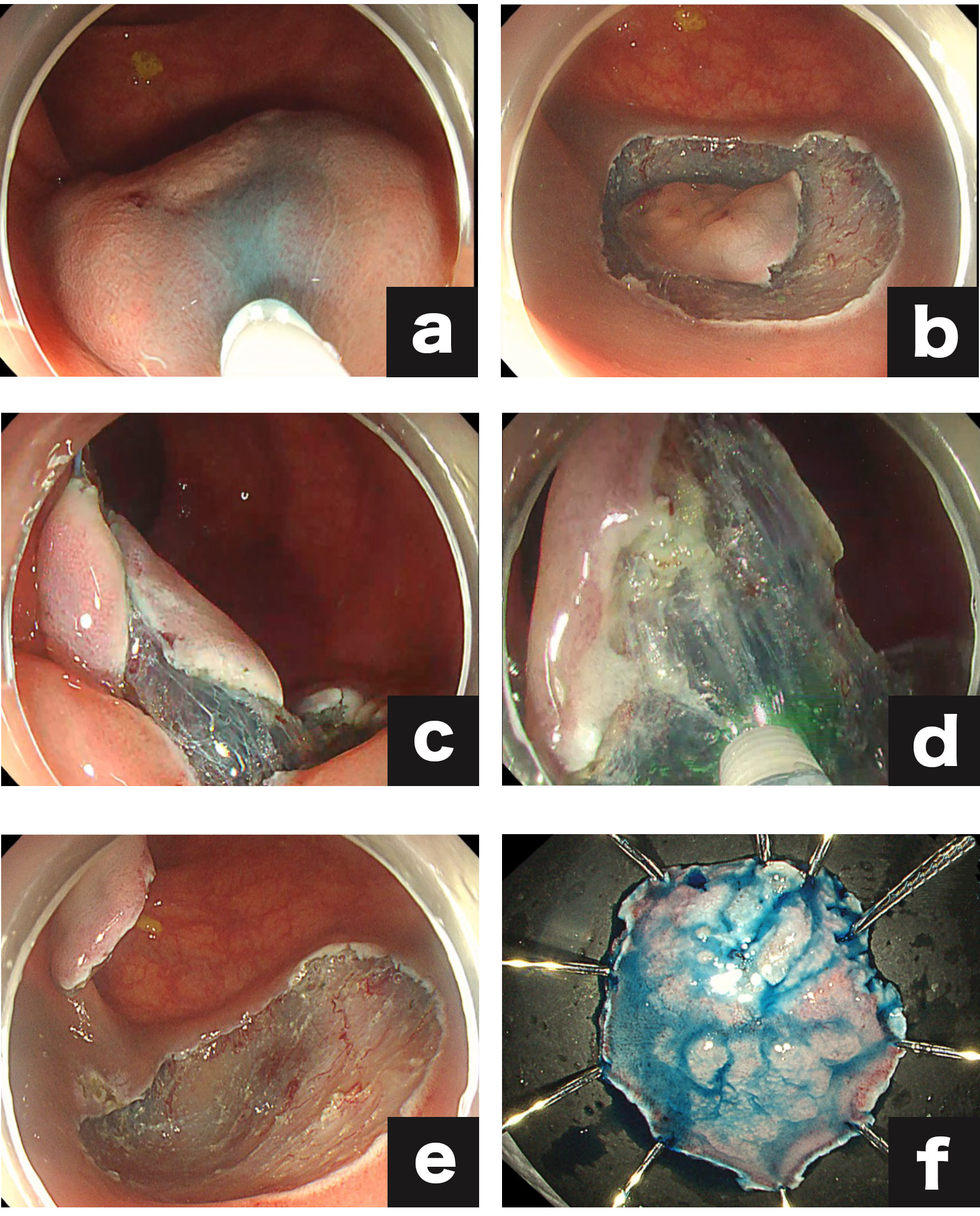
- A solution is injected under the lesion to make it bulge. This removes the lesion from the muscle layer and removes it safely under the lesion. (local injection)
- Using a special electrocautery knife to make an incision around the lesion (circumferential incision)
- Traction the lesion with a traction device in front of the lesion (traction)
- Careful removal (peeling) of the layer under the lesion (submucosa)
By removing the lesion without puncturing the wall of the digestive tract, doctors can make an accurate diagnosis during pathology.
Which lesions can be removed with ESD?
ESD covers early cancers of the pharynx, esophagus, stomach, duodenum, large intestine, and any digestive tract.Early stage cancer is cancer that is found only on the surface and is very unlikely to spread to lymph nodes. The deeper the digestive cancer invades, the more likely it is to spread to the lymph nodes. However, it is not possible to accurately diagnose the depth of the lesion before surgery because the endoscope cannot be seen through.
Additional surgery may be needed if the postoperative pathological diagnosis shows that the cancer is deeply invasive with the possibility of lymph node metastasis.
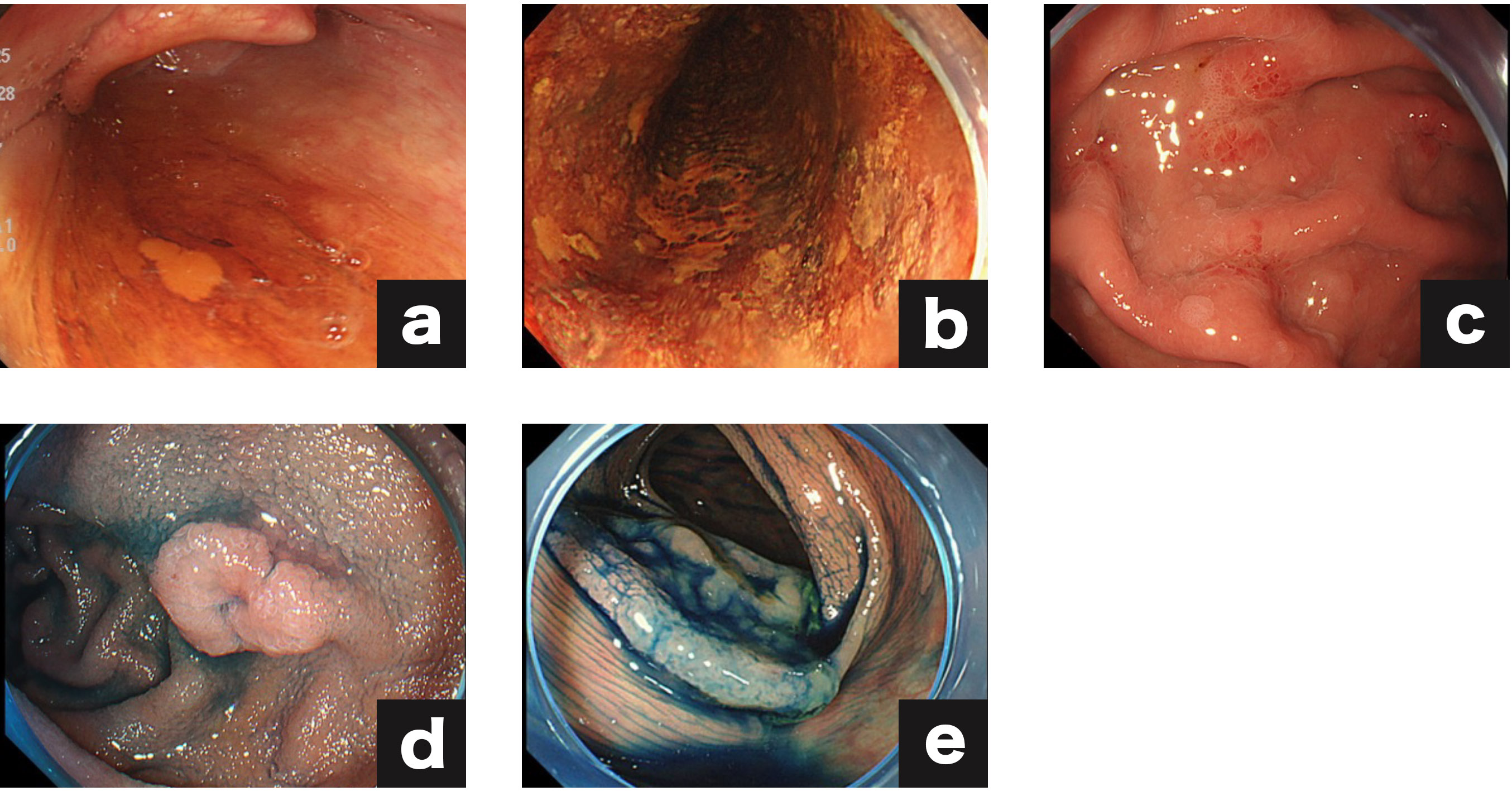
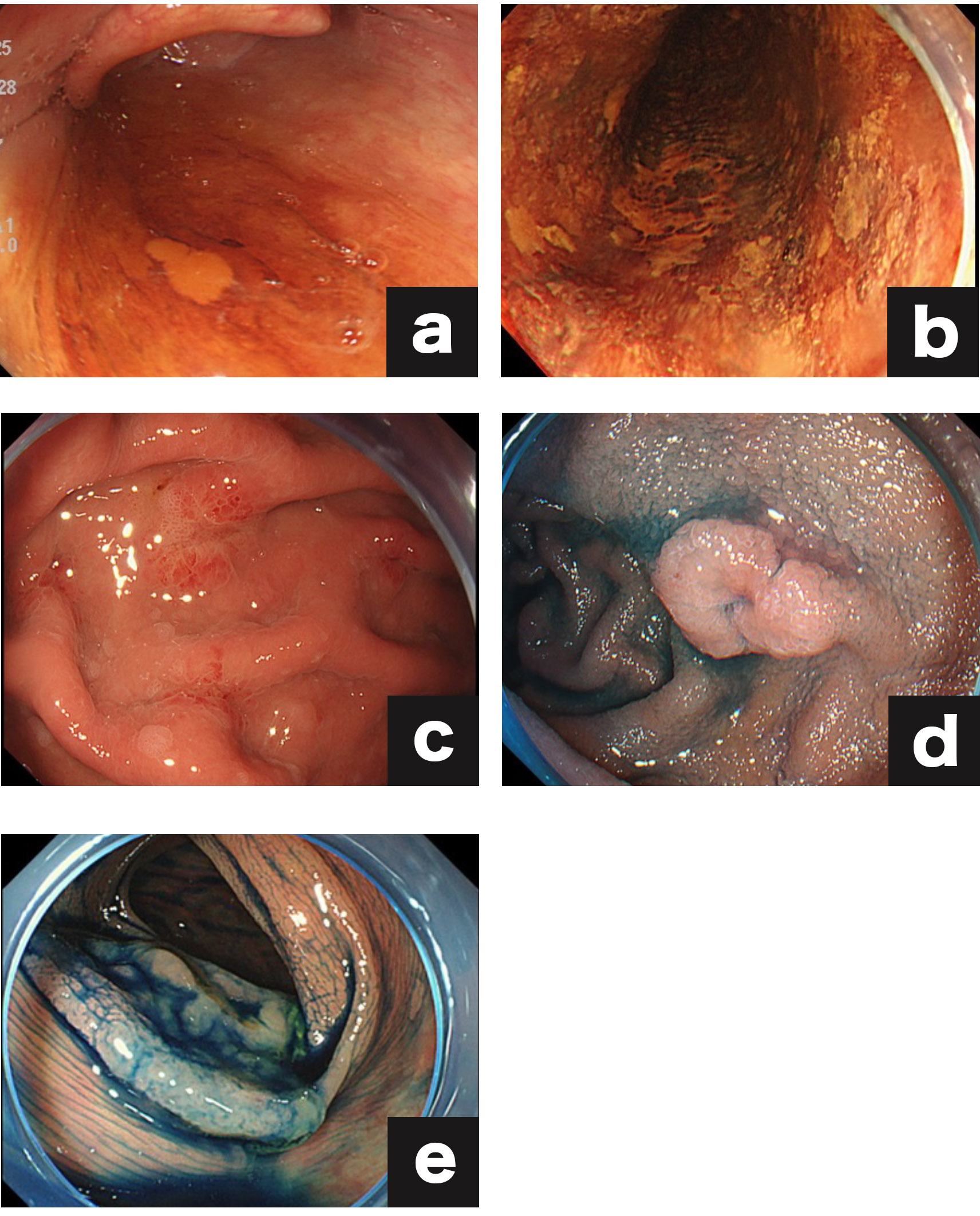
- (a)superficial pharyngeal cancer
- (b)superficial esophageal carcinoma
- (c)early gastric cancer
- (d)superficial duodenal carcinoma
- (e)early colon cancer
Problems with ESD?
Rarely, complications occur after ESD treatment. First, the treated area may bleed about 5% of the time. If bleeding occurs, it may appear as vomiting blood or black stools (melena) in the pharynx, esophagus, stomach, or duodenum or as red blood (bright bloody stool) in the large intestine.A small hole in the wall of the digestive tract (gastrointestinal perforation) may occur during or after surgery in about 2 ~ 3% of people. In this case, symptoms such as abdominal pain and fever may occur. However, most of these complications improve with endoscopy and rest. Surgery is needed very rarely, in less than 1% of cases.
These symptoms often appear within 2 weeks after surgery, so please be aware of any changes in your physical condition during this period.If you have symptoms such as fever, abdominal pain, vomiting blood, black or bloody stools, please consult a medical institution as soon as possible.
For patients with a high risk of bleeding or perforation, we close the post-ESD ulcer base.
In recent years, for patients with a high risk of bleeding, such as those taking blood thinners, or patients with a high risk of perforation, we perform suturing of the ulcer base to prevent complications.
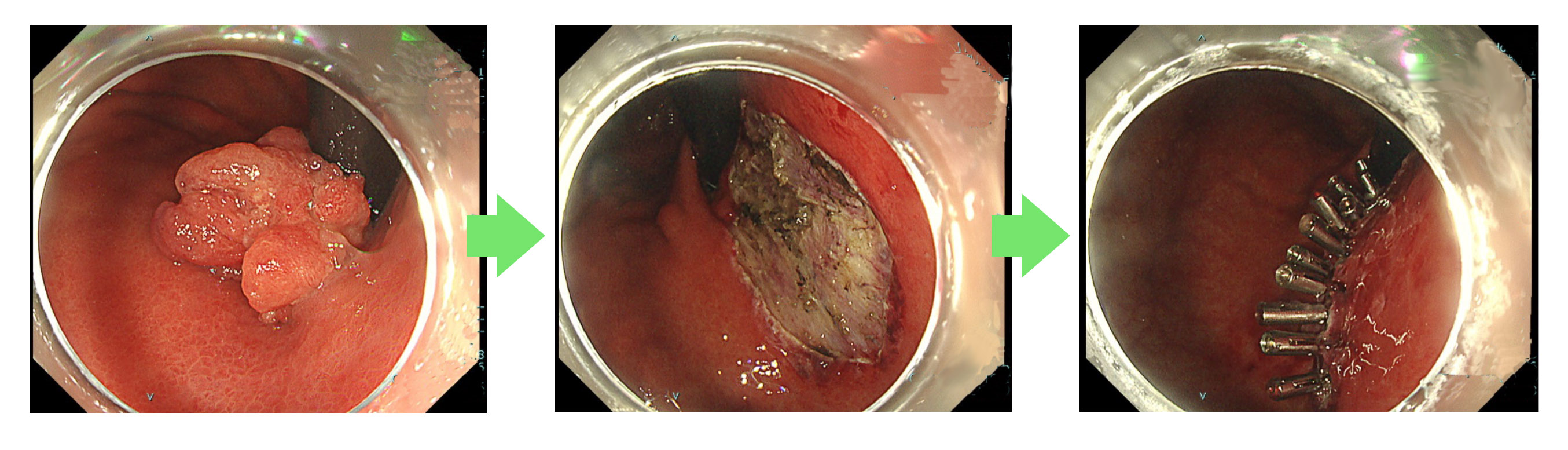
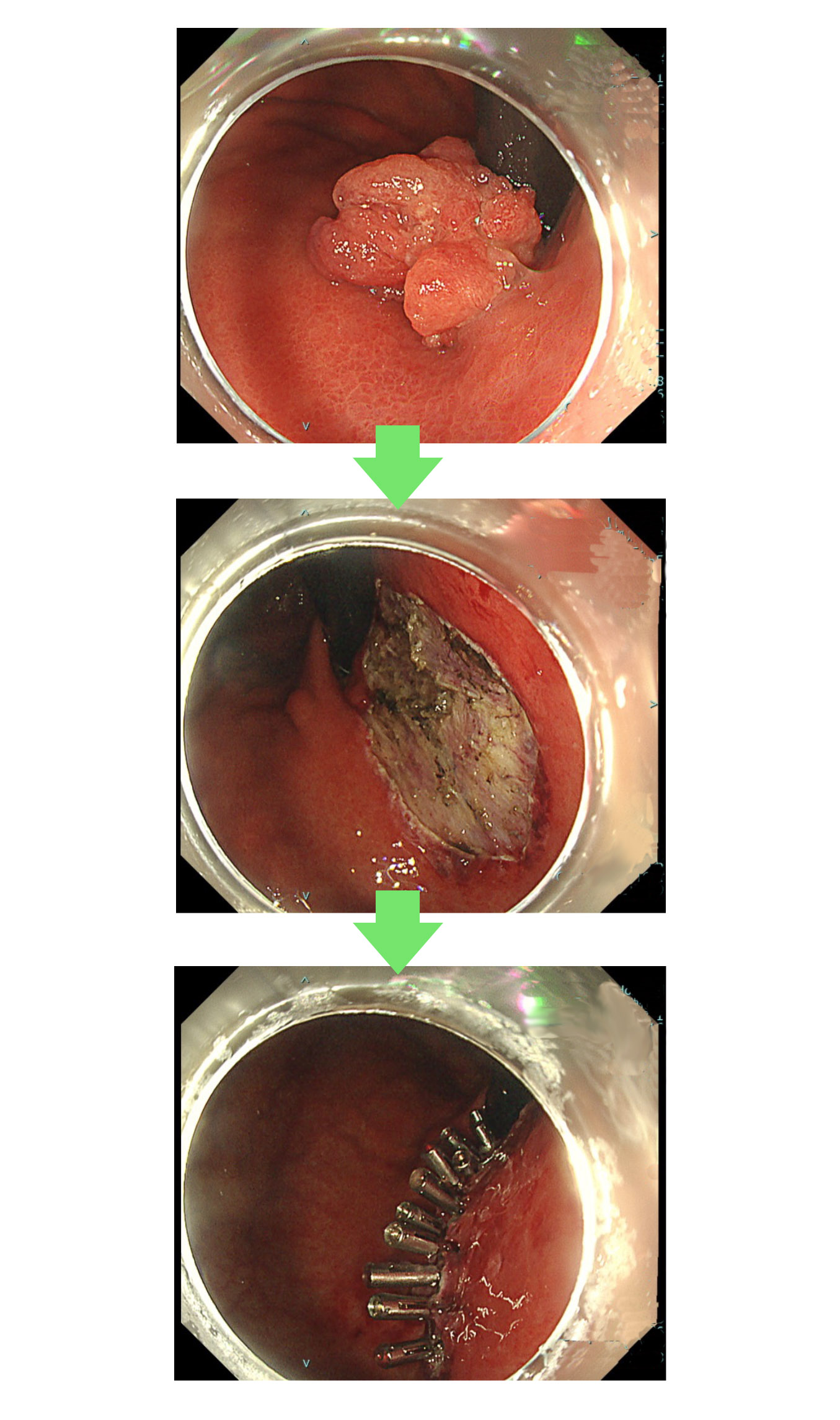
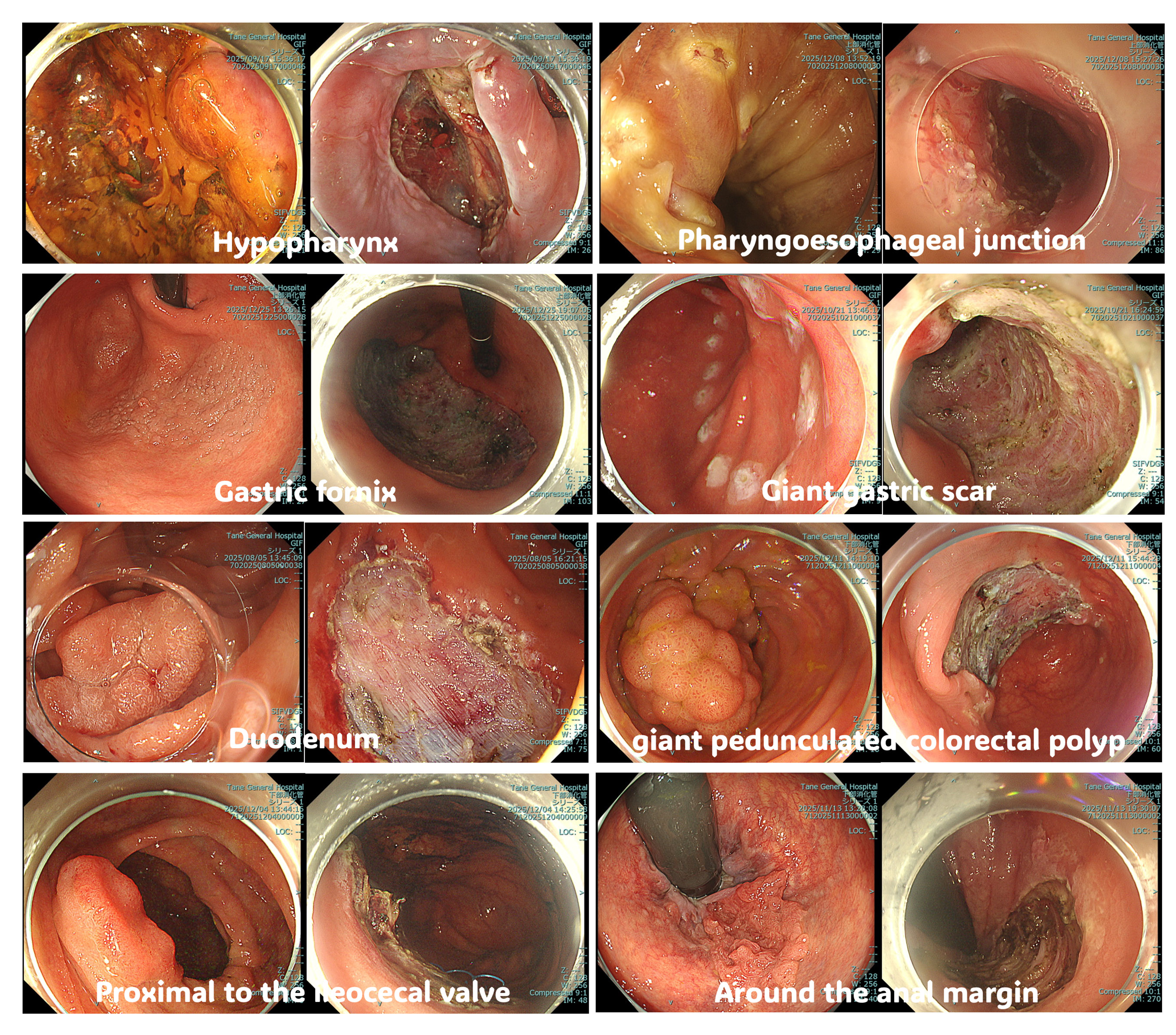
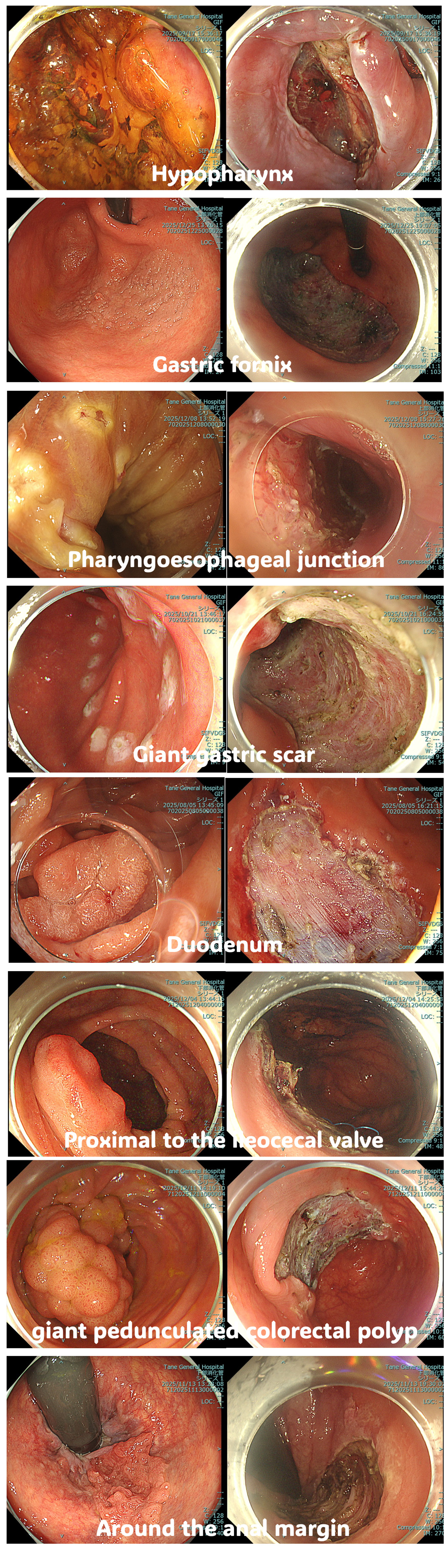
In our hospital, we can do ESD for a variety of what we call difficult cases.
In our hospital, expert endoscopists are able to perform safe and reliable endoscopic treatment for difficult cases that are normally difficult to treat, such as lesions at the entrance of the esophagus, at the furrow of the stomach, with huge or scarred lesions, lesions on the Bauhin valve of the large intestine, and lesions near the anus of the large intestine.
We always give top priority to “safety” and “certainty” in our daily endoscopic treatment so that patients can receive treatment with peace of mind.
We perform endoscopic submucosal dissection (ESD) for two days and one night.
At our hospital, we give maximum consideration to each patient’s circumstances and wishes. Based on our proven technical capabilities and safety management system, we are able to provide ESD treatment for two days and one night, which is rarely offered at other hospitals.
We can respond flexibly to requests such as those who cannot stay in the hospital for a long time due to work or those who cannot receive endoscopic treatment only on this date.
If you have any concerns or requests about the treatment schedule or hospitalization period, please feel free to contact our hospital.